


06 · Signage
ROOFTOP SIGNAGE
The sign that identifies the building from a kilometre away.
- Discipline
- Signage
- Covers
- Corporate tower crowns · Hotel and residential identification · Retail anchor identity on multi-storey facades
- Why it matters
- Long-range legibility
Introduction
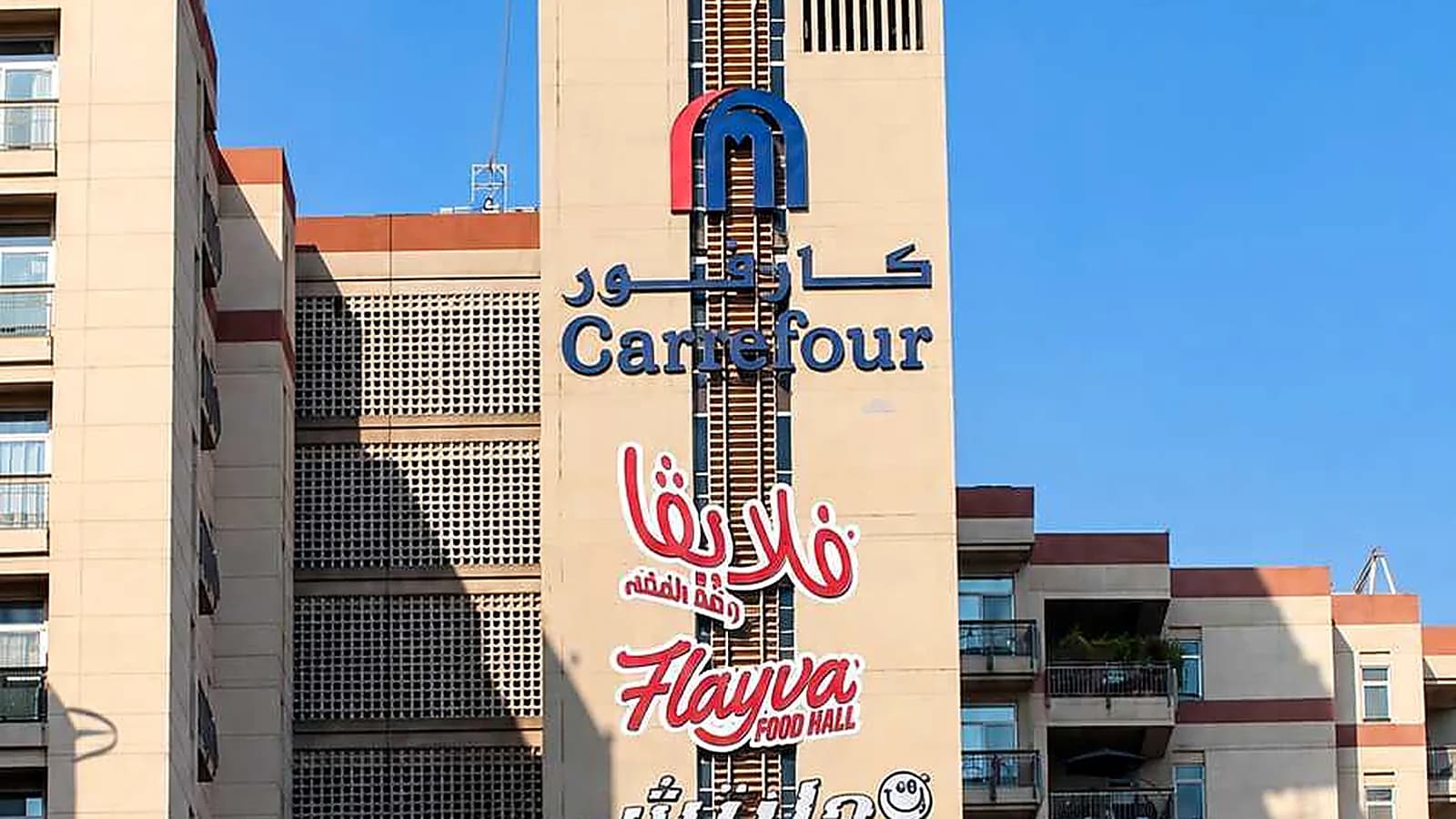
Rooftop and high-level signage is the most demanding category we build. Wind load, structural attachment, night luminance and access for maintenance all sit above the design question.
It is also the most valuable. A rooftop identity works at distances no other sign format reaches, and it works around the clock.
Applications
- Corporate tower crowns
- Hotel and residential identification
- Retail anchor identity on multi-storey facades
- Industrial and logistics facility identification
- Landmark building branding
Why it matters
WHAT YOU GET
THAT YOU WOULD MISS.
- 01
Long-range legibility
Letterform, stroke weight and spacing sized against actual viewing distance, not scaled up from a business card.
- 02
Engineered attachment
Support steel and fixing detail designed for the substrate and wind exposure of the specific elevation.
- 03
Night presence
Illumination designed so the sign holds its shape after dark instead of blooming into a glow.
- 04
Serviceable by design
Access for lamp and driver replacement planned before installation, not discovered during the first failure.
Materials & technology
SPECIFIED, NOT DEFAULTED.
- Faced (face-lit) letters
- Illuminated acrylic faces on a fabricated return, lit evenly from behind — the standard construction for tower and facade identity read from a distance.
- Fabricated aluminium letters
- Welded aluminium construction with sealed returns for exposed high-level positions.
- Marine-grade fixings
- Stainless fixings and isolation detailing to prevent galvanic corrosion at height.
- Sealed LED modules
- IP-rated modules and drivers rated for the thermal load of an unshaded facade.
How we work
FIVE STAGES, EVERY TIME.
Project visuals


Common questions
Do rooftop signs need special approval?
High-level and facade signage generally requires municipal permitting and landlord consent, and we coordinate both submissions as part of the project rather than leaving them for the client to chase separately. Rooftop work carries technical questions those approvals usually want answered up front — wind load on the structure, how the sign attaches to the specific elevation, and how illumination is controlled so it holds its shape after dark instead of blooming into a glow that draws complaints. Support steel and fixing detail are engineered against the substrate and wind exposure of that particular position, and access for future lamp or driver replacement is planned into the design before installation, not discovered the first time something fails. Getting the technical package right the first time is usually what keeps a rooftop approval from stalling in review.
How is installation carried out?
Installation method depends on the elevation and what access the building actually allows — boom lift, rope access or scaffold are all used, and which one applies is assessed at survey stage rather than assumed from the drawing. That assessment also shapes the method statement submitted for approval, since rooftop and high-level work is the category where wind exposure, structural attachment and access for the install crew all sit above the design question itself. Letterform, stroke weight and spacing are sized against the real viewing distance the sign is meant to be read from — not scaled up from a small mockup — and fixing details are specified for the substrate and exposure of that specific position. Access for future maintenance, including lamp and driver replacement, is planned into the installation approach from the start rather than left for whoever gets called out first.
Related work

HAVE A SPACE
THAT NEEDS
SIGNAGE?
Tell us what you're building. We'll help you make it impossible to miss — and impossible to get lost.